
Students spend a big chunk of their school day sitting down in the classroom, and if you’ve ever sat for long stretches yourself, you’ll know the toll it can take on your posture and comfort.
For students, the impact can go a step further. As any teacher will tell you, when students are uncomfortable, it shows up in restlessness, poor focus, and a drop in engagement as the day goes on.
Traditionally, classroom seating has been chosen for durability and cost-efficiency, not necessarily how it supports growing bodies and developing minds. But thoughtfully designed educational furniture, including a well-engineered ergonomic school chair, is a worthwhile investment in student comfort, focus, and learning.
Why classroom seating matters more than ever
Between increased screen time and less unstructured movement outside of school, many children are spending more time sitting than ever before, which makes well-designed classroom seating incredibly important.
As children and teenagers are still growing, prolonged sitting in poorly fitting chairs can lead to slouching, muscle strain, and discomfort that builds throughout the day. What starts as mild restlessness in the morning can turn into visible fatigue by the final school bell.
On the flip side, when students are comfortable, they’re better able to engage in lessons. For teachers, this shows up in fewer distractions and stronger overall attentiveness.
Durability, cost and storage efficiency still matter, but educational furniture also needs to support student wellbeing and focus.
The science behind ergonomic school chairs
Ergonomic school seating is based on the same principles used to design modern desk chairs:
- Support the body
- Encourage movement
- Reduce strain over long periods of sitting.
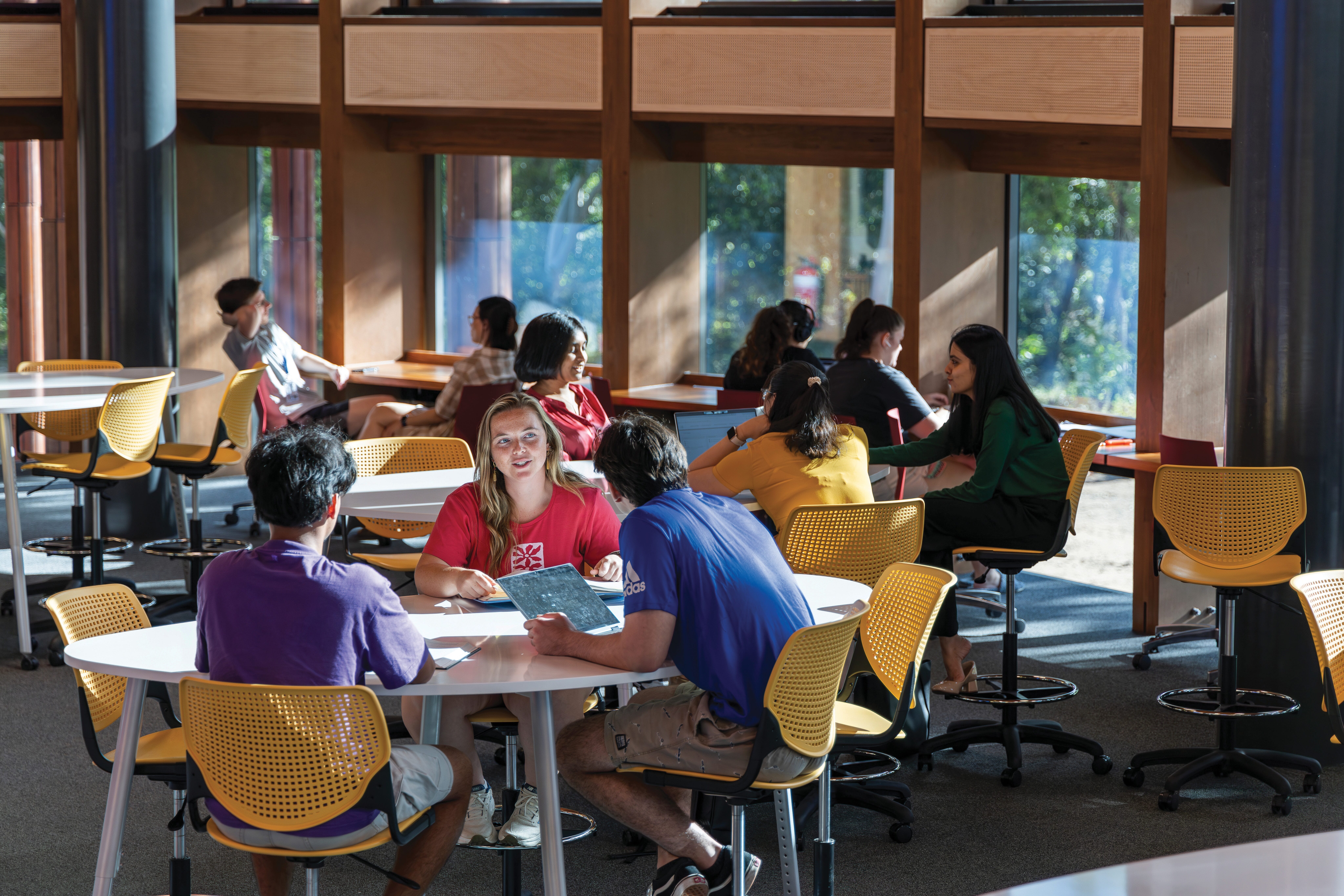
The Konfurb Keen chair in Australia's James Cook University.
Physical support for growing bodies
Kids grow rapidly, with particularly impressive spurts in early childhood and then again as they reach adolescence. Posture habits start to form in primary school, and unhealthy patterns can become reinforced over the years.
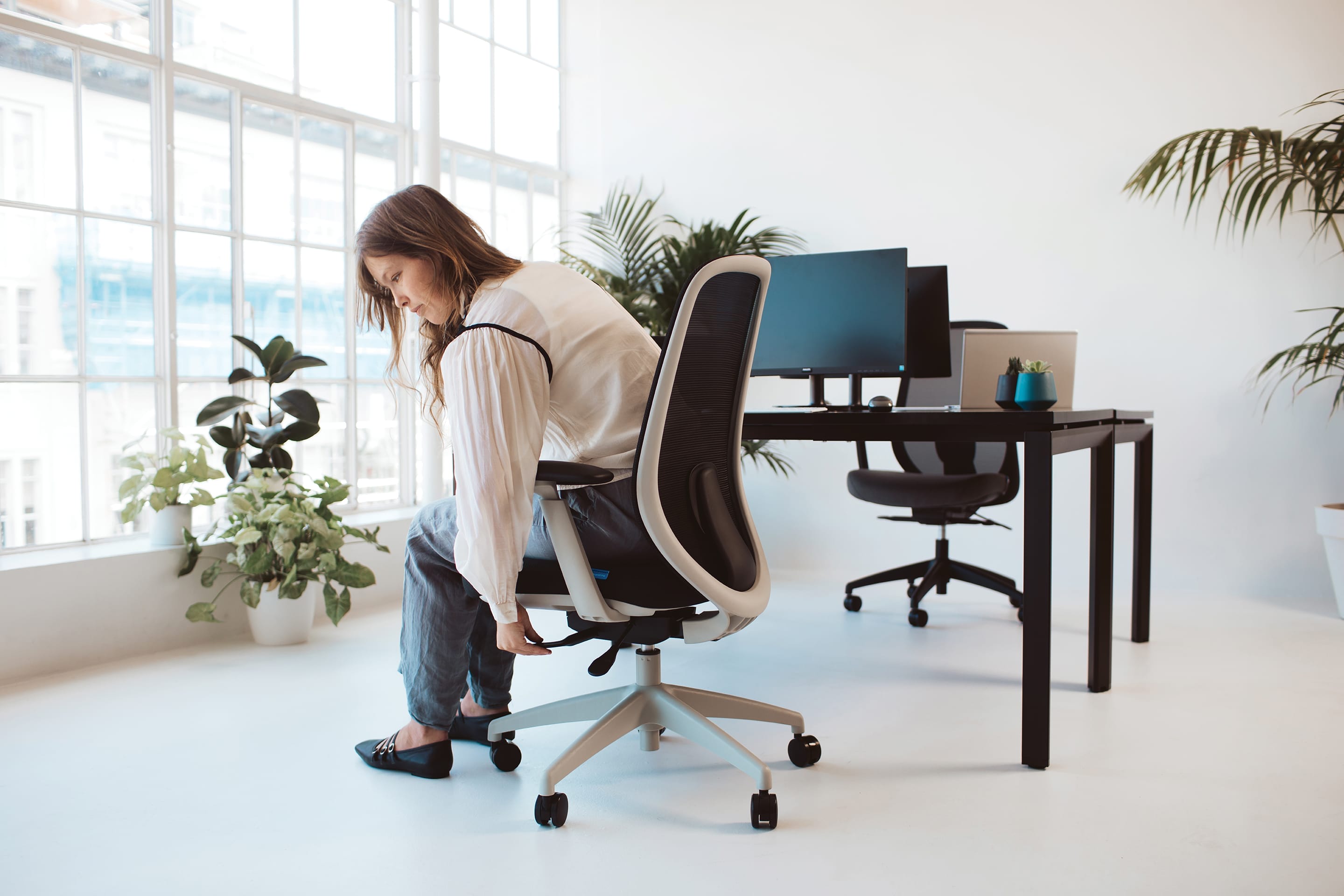
An ergonomic chair supports the natural curves of the spine, allowing students to sit with their feet flat on the floor and their back comfortably supported. Proper seat height and depth help reduce pressure behind the knees and prevent slouching. Over time, this encourages healthy posture habits that can carry through into adulthood.
Encouraging movement
Remaining still for long periods isn’t ideal, which is why school days are sprinkled with opportunities to move. Still, children spend a lot of time sitting. Ergonomic school chairs help students stay settled without feeling constrained. They allow for small postural adjustments and natural shifts in position. They are designed to encourage subtle, natural movements which support circulation and maintain focus.
Reducing strain to improve focus
In the classroom, signs of poor seating often show up as constant shifting, leaning forward, or slumping as the day progresses. These movements are often attempts to relieve discomfort. Research shows that physical pain increases cognitive load, meaning more mental effort is spent managing discomfort, and less is available for learning.
This connection between physical comfort and focus is well established. Studies of flexible seating have found that when students can sit comfortably and move naturally, they have higher “on-task behaviour” (think: paying attention, following instructions, staying focused on the task) and reduced restlessness.
Ergonomic school chairs that let children move their bodies even while seated make it easier to focus on what the teacher is saying, rather than on fidgeting to get comfortable.
Key features to look for in an ergonomic school chair
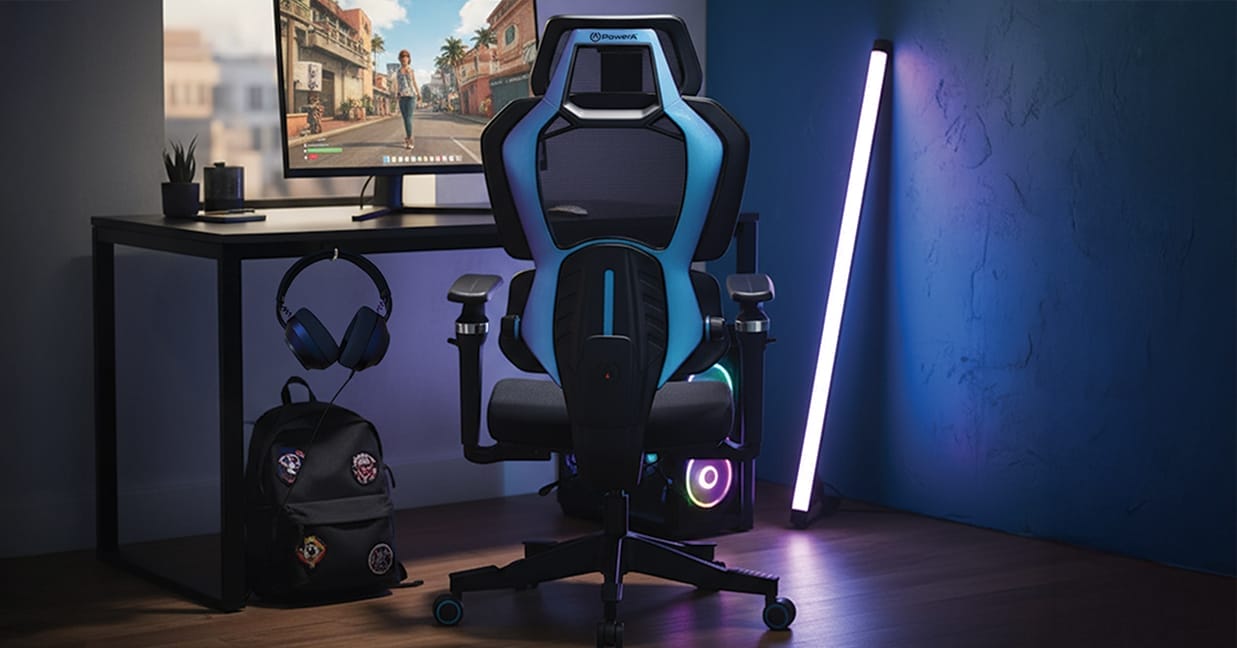
We’d all love to sit in a Buro Maverick 24/7 Controller Chair, but schools have to balance student wellbeing with classroom practicality.
When choosing an ergonomic school chair, look for:
- Seat heights that suit different age groups and the wide range of sizes found within a classroom – ideally, students’ feet should rest flat on the floor.
- Supportive, contoured backrests that encourage an upright posture without feeling restrictive or rigid.
- Lightweight but durable construction that is easy to move around the classroom.
- Materials that can handle daily use and are easy to clean.
- Stackable or space-efficient options that support flexible classroom layouts.
- Compliance with relevant safety and quality standards.
By prioritising ergonomic design and practical performance, schools can create learning environments that support student comfort and learning without stretching the budget.
Popular school chairs and stools
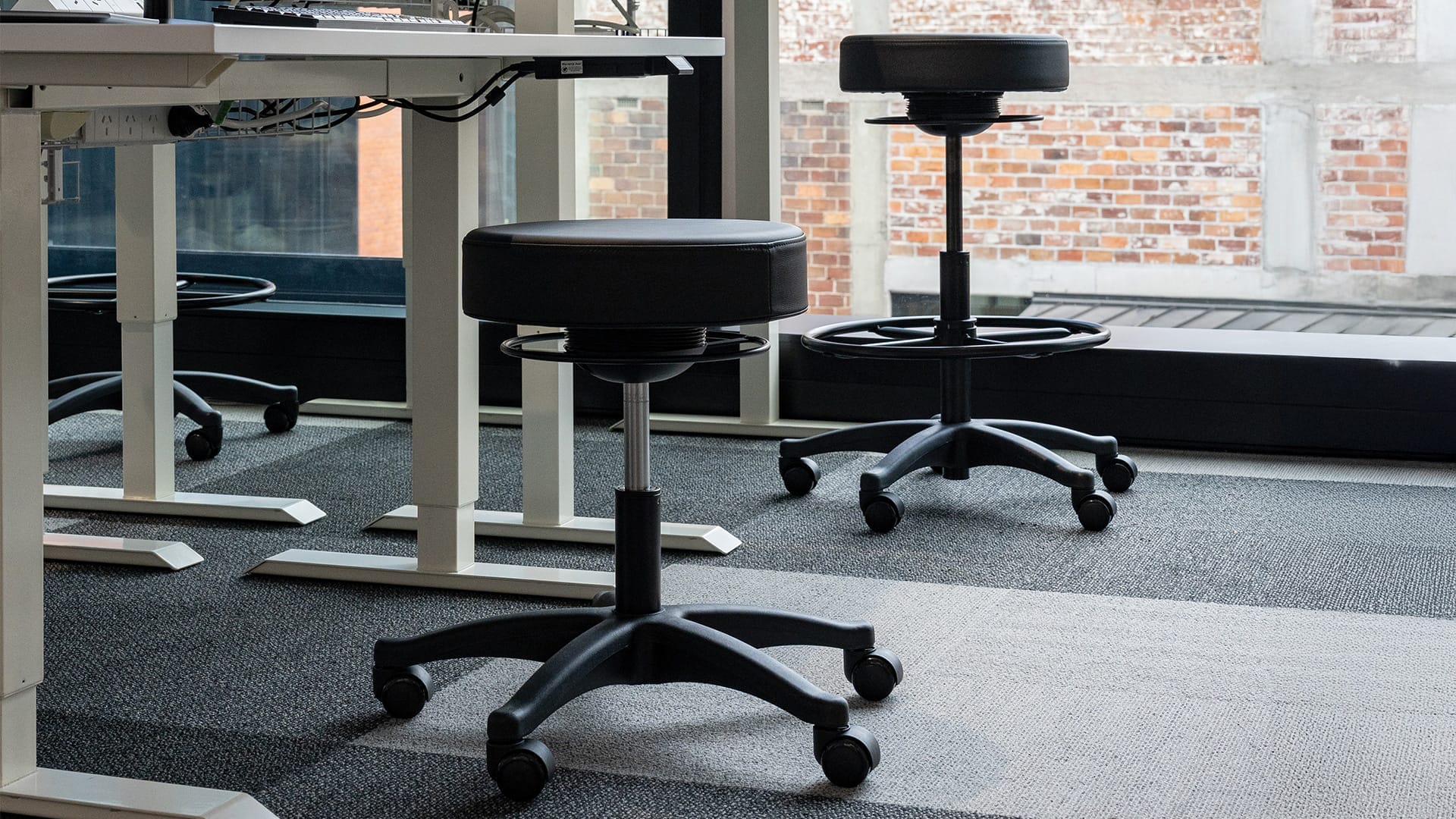
Buro Polo stool
Has a seat that swivels, tilts and rocks to promote active sitting.
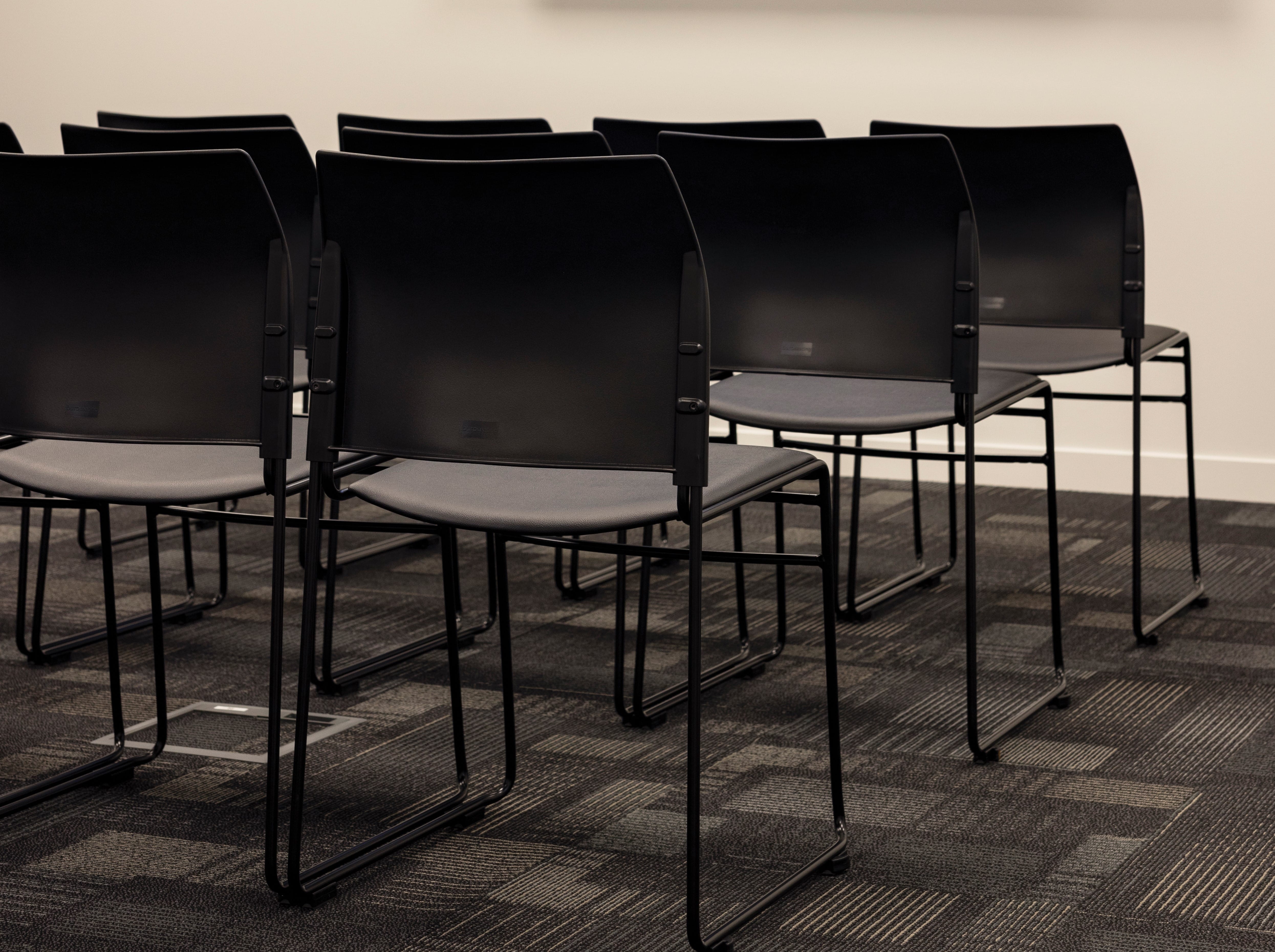
Buro Maxim chairs
A versatile stacking chair for flexible classroom layouts.
Better seating, better learning
Classroom design has a big job balancing curriculum requirements, technology, and flexible layouts. But students can only do their best work when they’re comfortable, and seating plays an important role in shaping the classroom experience.
Find a Buro dealer and explore the educational furniture range to create learning environments designed to support better learning.