If you sit in a desk chair for most of the day, chances are you don’t start with bad posture. You begin upright, well supported, and comfortable. But the hours pass, and fatigue creeps in. Your shoulders round forward, your lower back collapses, and your head drifts closer to the screen.
It happens quietly, but before you know it, poor posture has taken over.
As any physiotherapist will tell you, this is completely normal. Expected even. As your muscles tire and your focus shifts elsewhere, your body naturally settles into easier, less supportive positions.
This guide explains how to correct bad posture while sitting, using practical strategies that fit into your working day.
The physiological effects of bad sitting posture
Bad sitting posture doesn’t happen overnight. It develops gradually as your body spends more and more time in the same position.
When you sit for long periods of time…
- Your hip flexors tend to shorten
- Your glutes become underactive
- Those deep core muscles that support your spine gradually fatigue.
As a result, your pelvis might start to tilt backwards, flattening the natural curve of your lower spine and increasing the load on your lumbar discs.
And that’s just the lower half of your body.
As the body tires, many office workers start leaning in towards their screens. If you hold this forward head position for too long, it places extra strain on the muscles and joints in your neck and upper back.
Circulation can slow down, too, particularly through the legs, because sitting for a while reduces muscle activity that helps keep blood moving efficiently around the body. This can lead to stiffness, sluggishness, and that heavy, tired feeling that often appears at the end of a workday.
These common bad sitting posture effects are less about discipline and more about how the body responds to staying in one position for too long.
The physiotherapist-backed approach to proper posture
Correcting poor posture does not mean you force yourself to ‘sit properly’. It means you create conditions that help your body stay comfortable and supported throughout the day.
That usually comes down to a few key things: how your workstation is set up, how much strain your body is carrying, and how often you move. Here are some of the practical strategies physiotherapists recommend.
Start from the ground up
Contrary to popular belief, good posture doesn’t start at your shoulders; it starts at your feet. When your feet are flat on the floor, your weight is evenly distributed, and your pelvis is well supported. From there, the rest of your spine can align more naturally.
Seat height plays a big role, too. As a general rule, your hips should sit slightly higher than your knees. This helps your lower back keep its natural curve without you having to think about it.
Here’s a simple physio-style check you can do right now: sit back in your office chair, place both feet flat on the floor, and gently rock your hips forward and back a few times. You should find one position where your lower back feels more supported and less strained. That’s a good neutral starting point.
Forcing ‘sitting up straight’ increases fatigue
Most of us have been told to ‘sit up straight’ at some point, and it usually leads to stiff shoulders and a tense back within minutes. That’s because holding yourself rigid takes effort, especially from larger muscles in the back and shoulders that tire when they stay switched on for too long.
Your body craves variety, so lean back sometimes. Shift around in your seat and change your angle. Use your chair’s tilt function instead of sitting frozen in place for hours on end.
These small movements help spread the load across different muscles and joints, making posture feel more natural and far easier to maintain over the course of a long workday.
Microbreaks and movement
Movement is your best tool when it comes to correcting bad sitting posture. Staying still for too long increases strain, no matter how perfect your posture looks. Short, frequent breaks, ideally every 30 to 45 minutes, can make a huge difference in preventing discomfort and tension.
Microbreaks don’t need to be disruptive. Standing briefly, extending the hips, opening the chest, or gently rolling the shoulders helps reset your muscles and restore circulation.
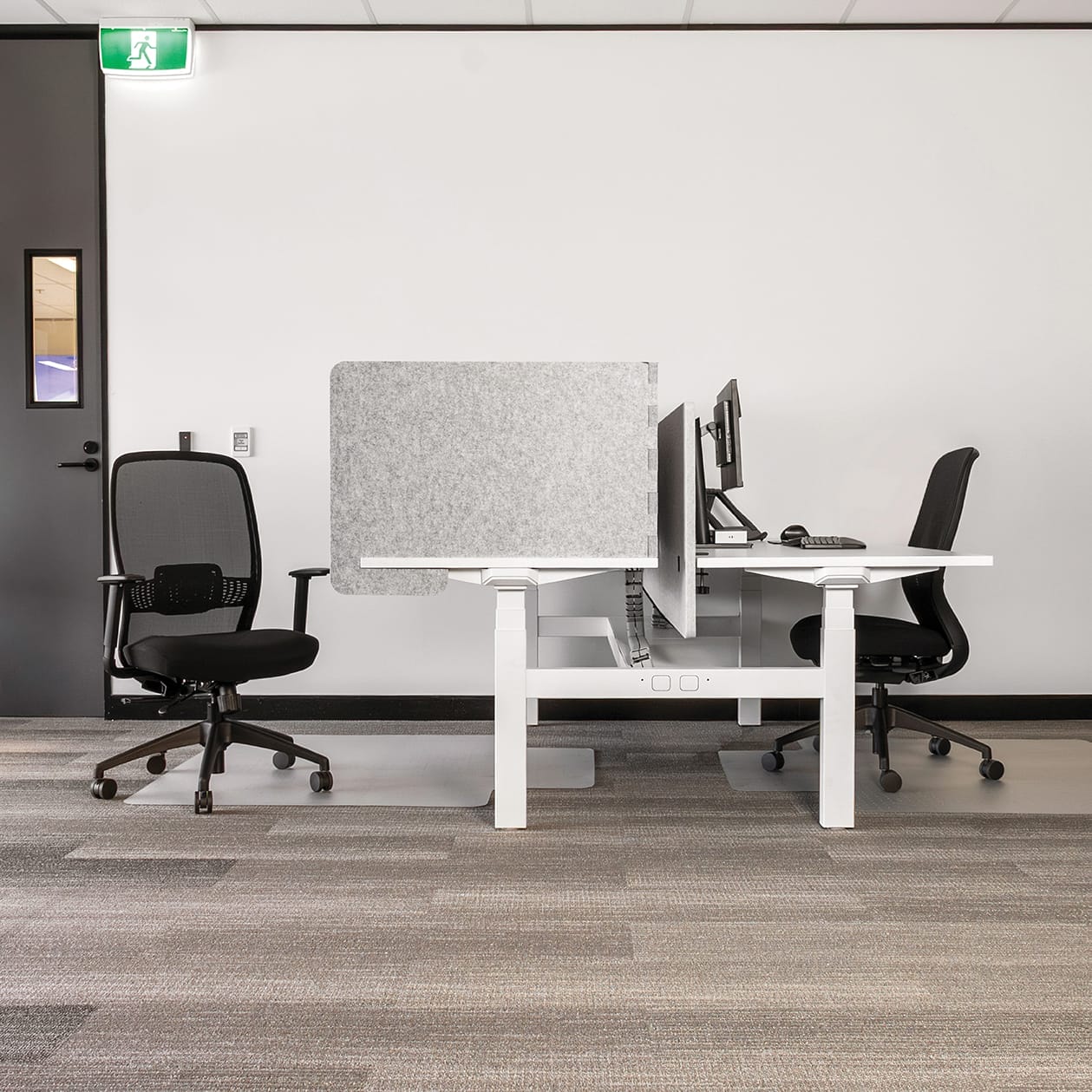
Standing desks help encourage regular movement. Featured above: The Buro Altri Back to Back Height Adjustable Desk White frame
Supportive seating reinforces healthy posture habits
Good posture gets much harder to maintain once fatigue kicks in. Even with the best intentions, most people eventually start slumping, leaning forward, or shifting into less supportive positions. That’s where a well-designed ergonomic desk chair can help.
Features like adjustable seat height, lumbar support, and tilt movement help support the body as you naturally shift and reposition throughout the day, rather than forcing you to hold yourself upright for hours at a time. Read our article on office chair adjustments to learn more.

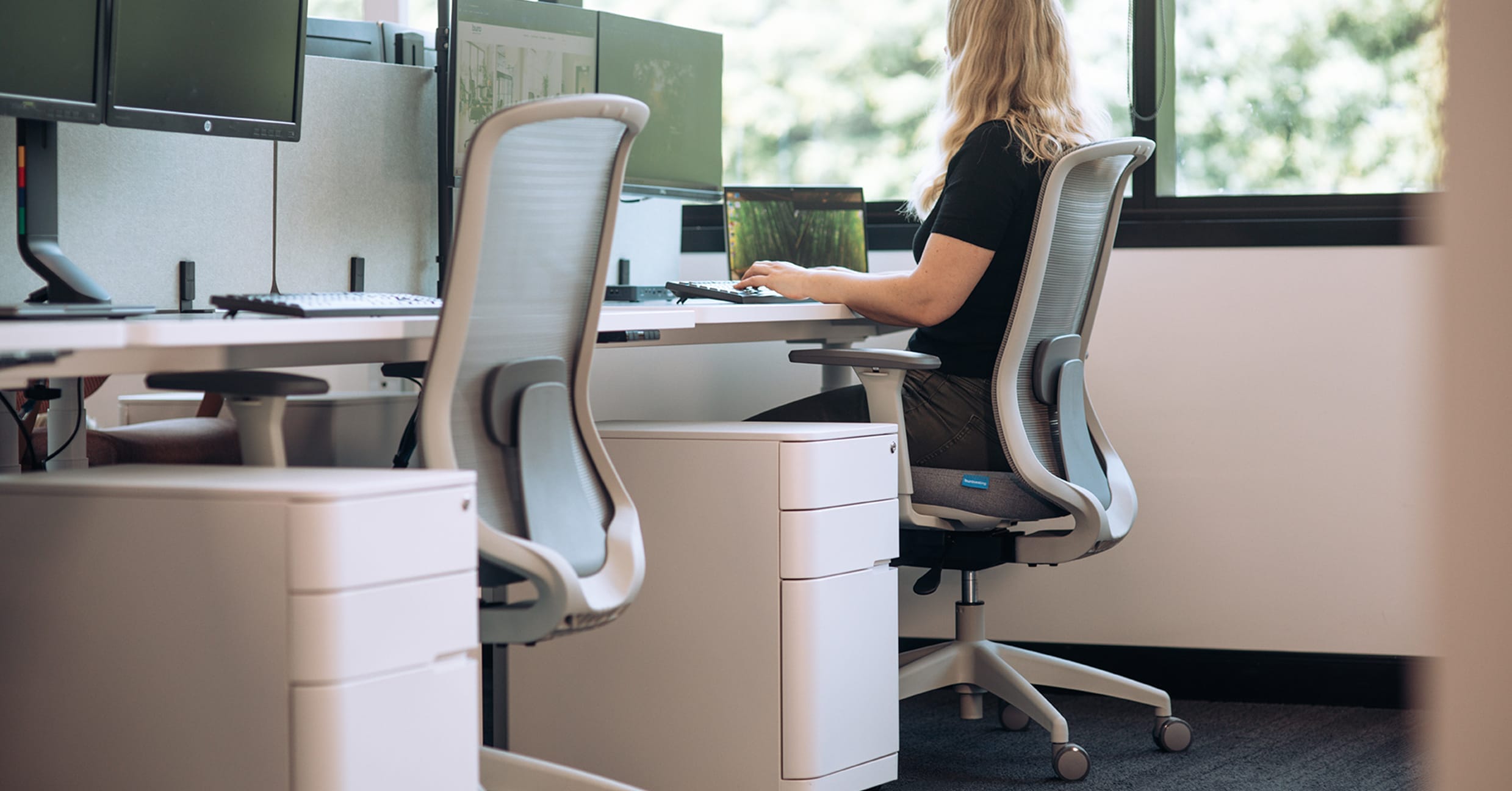
Combined with regular movement and a well-set-up workstation, the right chair can make good posture feel far more natural and easier to maintain as the day unfolds. Featured above: The Buro Mentor.
Good posture is built through repetition, not perfection
There’s no single ‘perfect’ way to sit and no instant fix that will change your posture overnight. But small changes consistently can make a noticeable difference over time. When you start thinking of posture as something dynamic that you can gently retrain, long days at your desk start to feel a whole lot more comfortable.
If you’re starting to feel the effects of bad sitting posture, it may be time to reassess your workspace setup and explore our range of ergonomic chairs designed to support healthy movement and overall well-being.