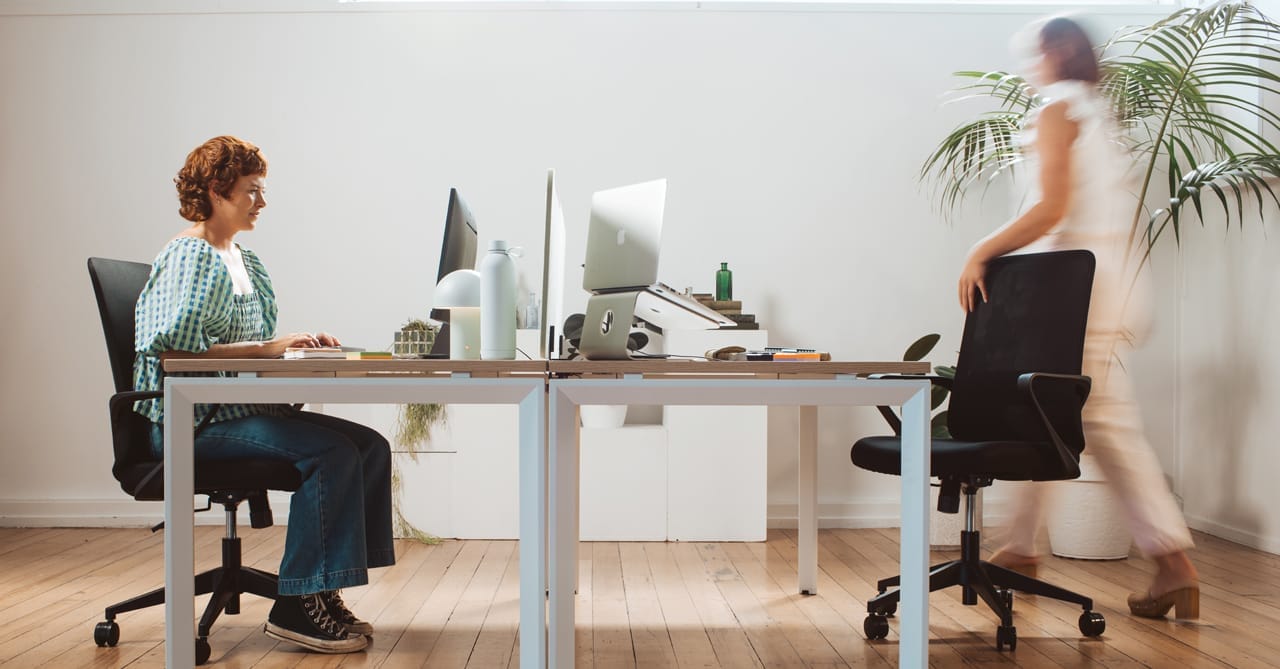
If working from home has evolved from a temporary arrangement to a permanent part of your routine, a proper home office setup is essential. The kitchen table might work on the odd occasion, but over time, it can start to take a toll.
When a home office is thrown together rather than thoughtfully set up, it often leads to distraction and discomfort. But getting the basics right, from lighting and organisation to desk height and your home office chair, can make all the difference. If you value the flexibility of working from home but don’t want your productivity to slip, it may be time to rethink your space.
This guide shows you how to set up a workstation at home that helps you stay comfortable, focused, and productive.
Why your home office setup matters for productivity
It’s easy to think productivity comes down to motivation or discipline, but your workspace can make or break your ability to focus.
Research into working from home shows that people with well-suited workstations often report higher productivity, better job satisfaction, and fewer musculoskeletal complaints over time.
Which makes sense: when your workspace feels right, it fades into the background. There’s no fidgeting with your seat, adjusting your screen, or reaching awkwardly across your desk for what you need. You can simply get on with your work. That sense of ease paves the way for a more positive, sustainable, and effective way of working.
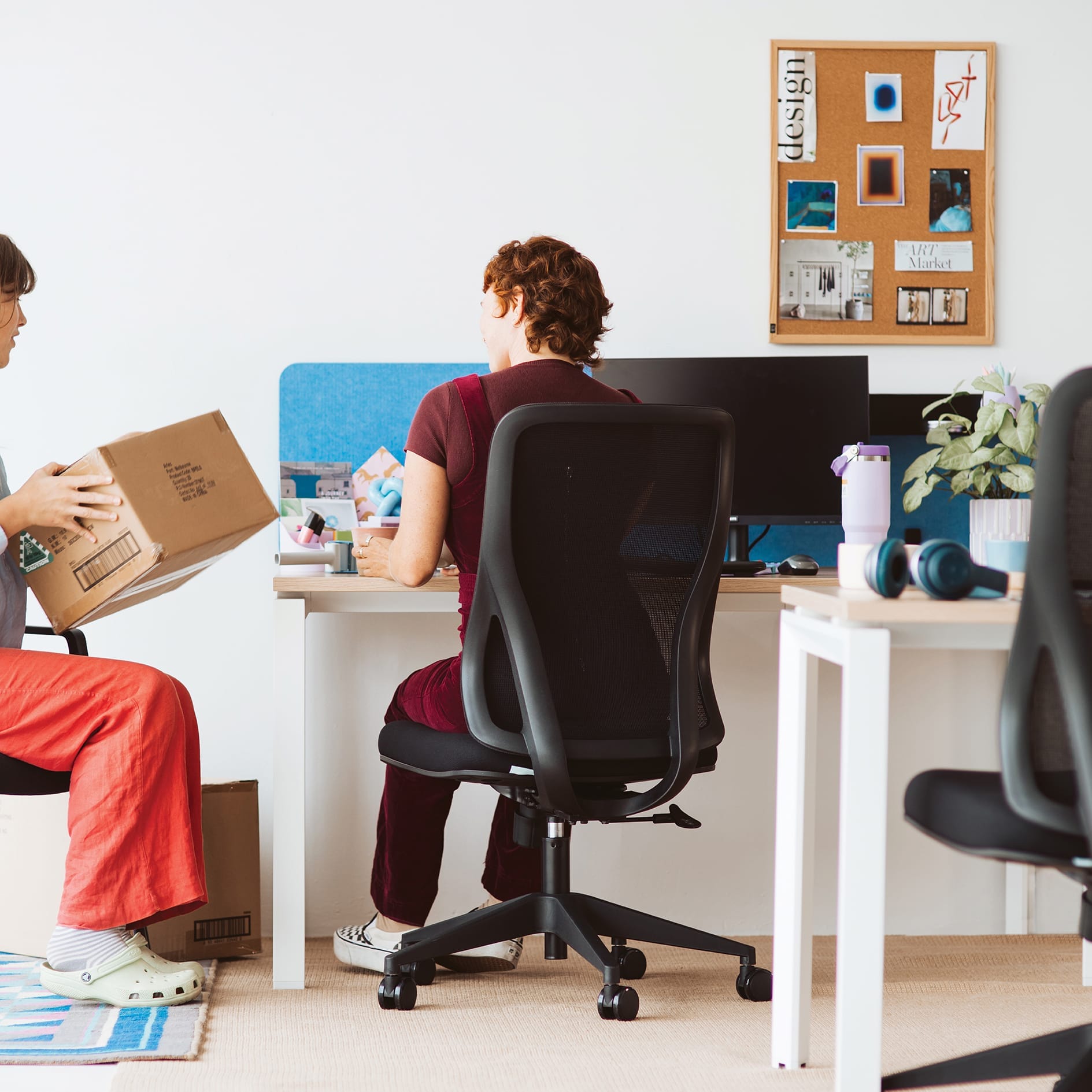
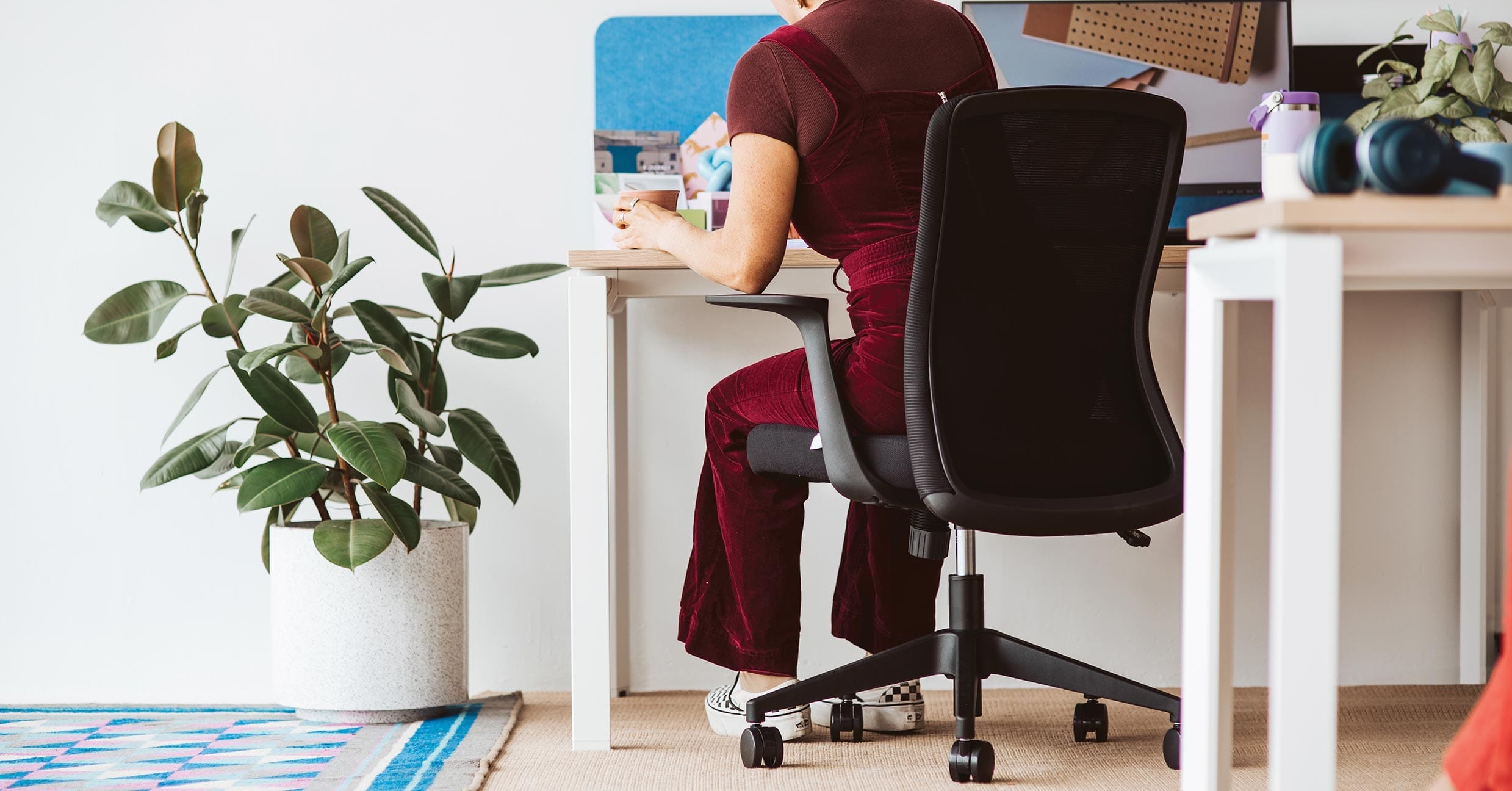
The Mondo Riley is a great value work from home chair.
How to build a productive home office environment
Creating a productive home office starts with getting the basics right, from where you sit to how it’s lit, organised, and furnished.
Choose the right location for your home office
Where you work matters, and most people work best in a quiet part of the house where distractions are limited. And this isn’t just about having other people around. Even if you’re home alone, a pile of laundry or dishes in the sink can be surprisingly hard to ignore.
If you don’t have space to work from a separate room, creating a defined work zone helps establish a clear boundary between work and home life. That distinction makes it easier to settle into your tasks, stay focused, and switch off at the end of the day.
Lighting and environment: small details that improve concentration
Lighting is easy to overlook until it starts to affect how you feel. Poor lighting can lead to eye strain, headaches, and fatigue, making it hard to stay focused during long stretches in front of the computer.
Natural light is ideal, so placing your desk near a window is a good starting point. Just be mindful of glare on your screen. If natural light is limited, a well-positioned desk lamp will do the trick.
Choose the right desk for your home office
Your desk sets the foundation for how comfortably you can work. You should have enough space to spread out without feeling cramped, and plenty of room for your computer, keyboard, and any other tools you use regularly.
Height is just as important: a desk that suits your height encourages better posture and reduces strain. When you’re typing, your elbows should sit at roughly a right angle, and your shoulders should feel relaxed rather than lifted.
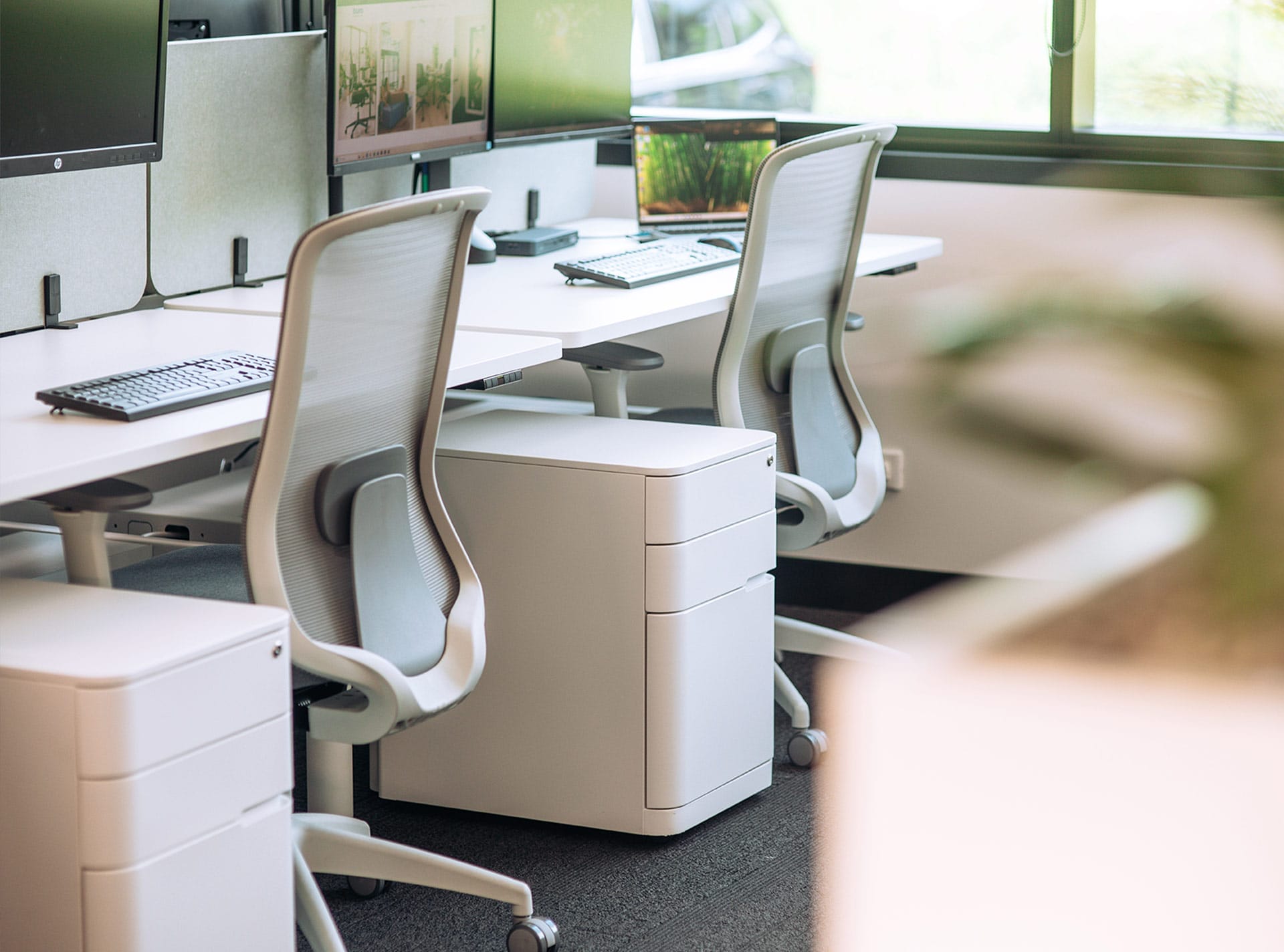
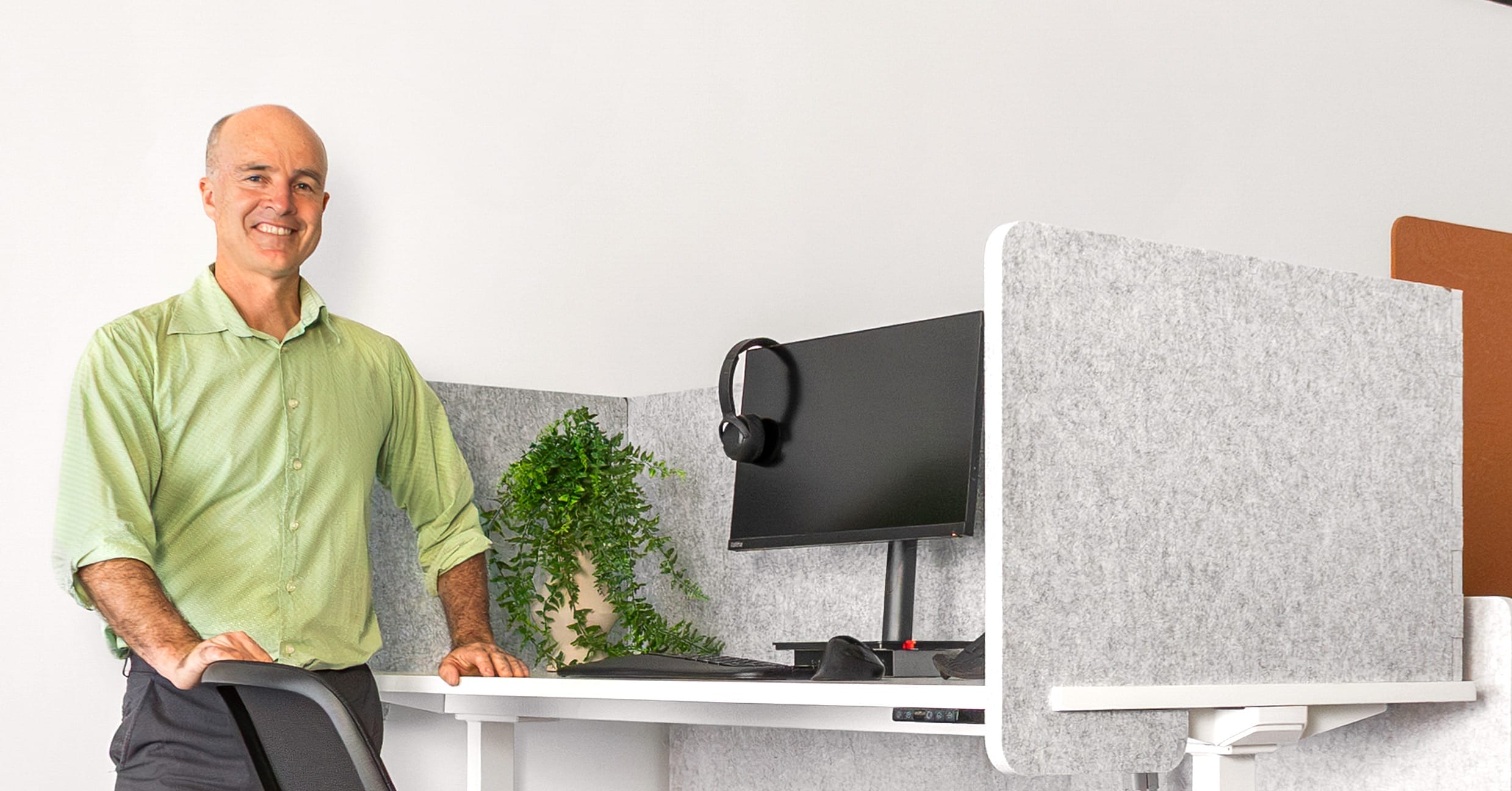
The Buro Syntra Height Adjustable Desk comes in a 1800mm wide, as well as 1500mm wide to fit home office spaces.
Find the right chair for your home office
In New Zealand, many of us sit on a desk chair for six to eight hours a day, so even small niggles can turn into big distractions over the course of the day.
A good ergonomic chair supports the natural curve of your lower back, allows for easy seat height adjustment, and provides enough cushioning for longer work sessions. When a chair is right for you, you’re less likely to shift around trying to get comfortable, which helps you keep your attention on the task at hand.
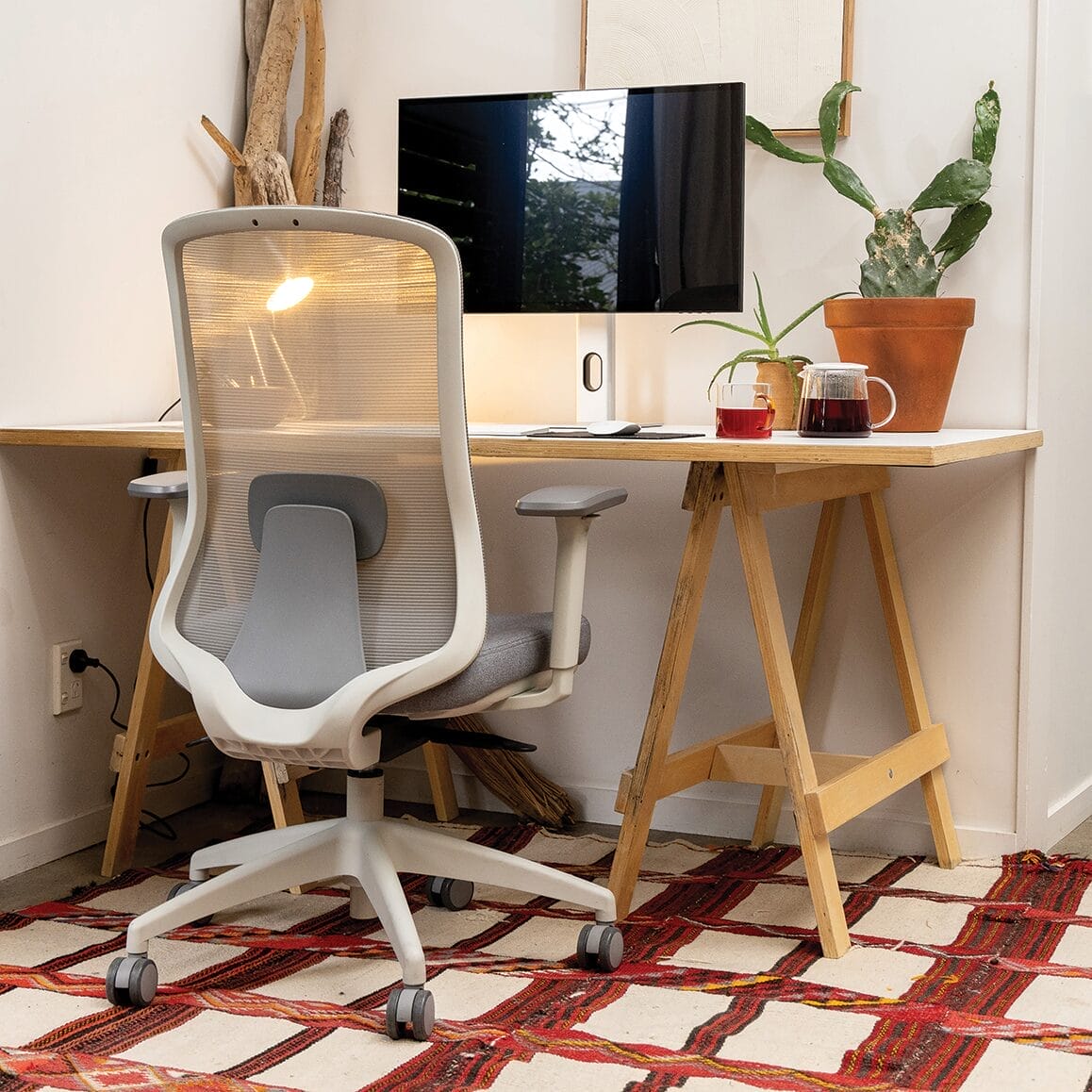
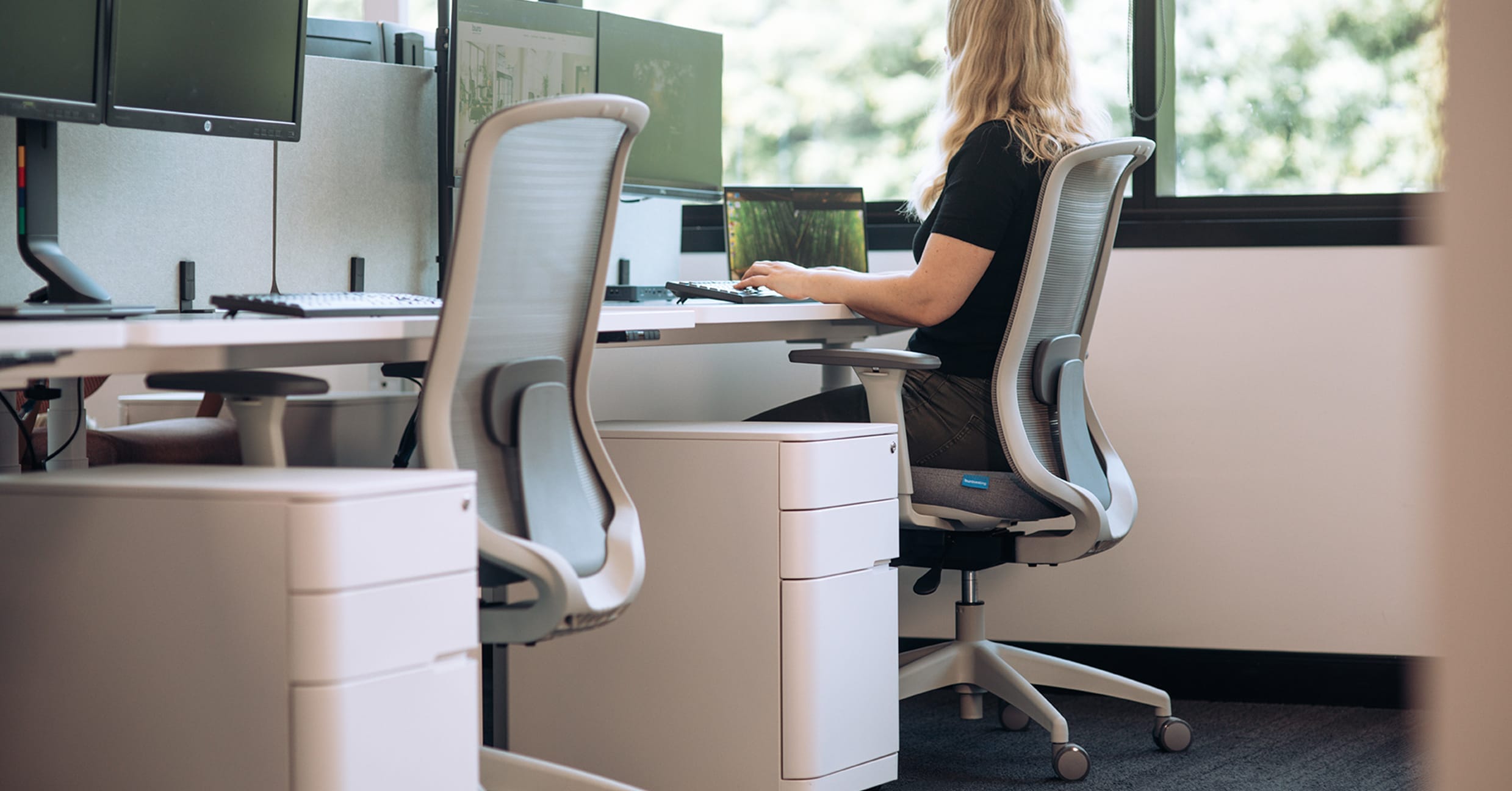
The Buro Elan looks amazing in a home home and is very comfortable.
Declutter and organise your workspace
Take a few minutes to organise your workspace, because a cluttered desk can quickly pull your attention away from what you’re doing. Papers, cables, and half-used notebooks scattered in front of you create visual noise that makes it harder to focus.
Keep what you use most within easy reach and store everything else in drawers, shelves, or storage boxes.
Healthy work habits that support productivity
Even with a well-set-up home office, how you work throughout the day still matters.
A few simple healthy habits can help you stay comfortable, energised, and attentive:
- Stand up and move around for a few minutes every hour
- Stretch your shoulders, neck, or back to ease muscle tension
- Adjust your sitting position regularly to avoid staying completely still
- Step away from your desk briefly to reset your focus.
These quick breaks don’t interrupt your workflow; they help maintain it. Taking time throughout the day to move helps keep your brain sharp and your body free from tension.
Create a home office that works for you
A productive home office starts with a setup that supports the way you work.
To explore seating designed for comfort and long workdays at home, connect with a Buro dealer in New Zealand and find a home office chair that works for you.